
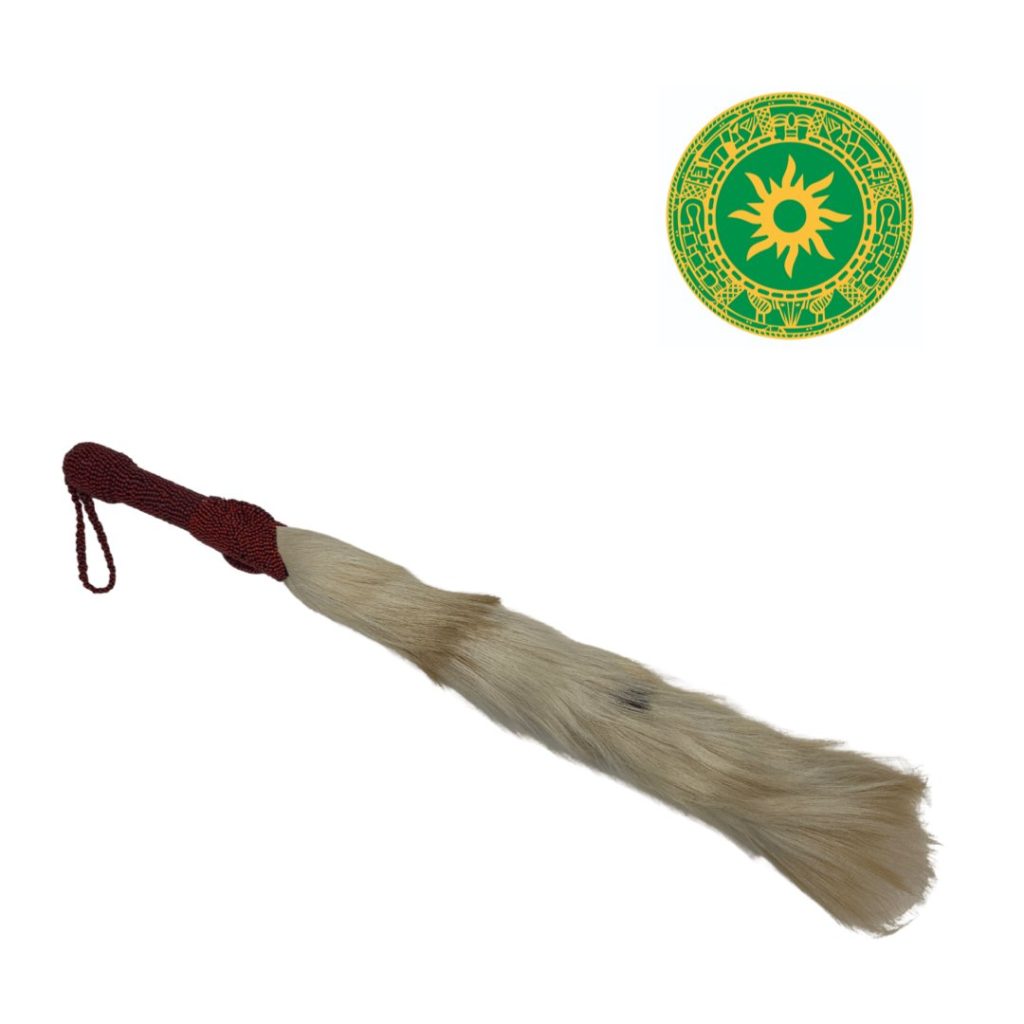
Irukere, a unique and ancient Yoruba adornment, symbolizes tradition and power. Crafted with intricate details, it serves as a royal insignia and a significant cultural artifact. Each woven fiber tells a story of heritage and lineage, embodying the essence of wisdom and authority. The irukere’s vibrant colors and majestic presence capture the attention of all who behold it, making it a prized possession for those who revere their heritage. Embracing the irukere is embracing a piece of history and a symbol of strength that transcends time.

The Fascinating World of Irukere: A Closer Look at the Unique Yoruba Fan
Imagine walking through a market in Nigeria and coming across a beautiful and intricately designed fan that not only provides relief from the scorching heat but also holds deep cultural significance. This special fan is called an irukere, and today, we are going to dive into the fascinating world of irukere to uncover its history, uses, and symbolism.
The History of Irukere
Irukere, pronounced as “ee-roo-keh-ray,” originates from the Yoruba people of Nigeria. The Yoruba are known for their rich cultural heritage and artistic traditions, and the irukere is a shining example of their craftsmanship. The irukere has been a part of Yoruba culture for centuries, with its origins dating back to ancient times.
The word “irukere” itself has deep cultural significance. In Yoruba tradition, “iru” means fan, and “kere” means elephant. The fan is named after the elephant because of its large size and majestic presence. The Yoruba people hold elephants in high regard, associating them with strength, power, and wisdom.
The Design and Construction of Irukere
Irukere is not your average handheld fan. It is a work of art, meticulously crafted with a variety of materials such as colorful beads, cowrie shells, leather, and feathers. The base of the fan is typically made of wood or bamboo, providing a sturdy structure for the elaborate decorations.
The most striking feature of irukere is its intricate design. The fan is adorned with vibrant beads in traditional Yoruba patterns and symbols, each carrying its own meaning and significance. Cowrie shells, known for their spiritual importance in Yoruba culture, are often incorporated into the design to enhance the fan’s beauty and cultural value.
Feathers are another key element of irukere, symbolizing grace and elegance. The feathers used in irukere are carefully chosen for their colors and textures, adding a touch of luxury to the fan. When held, the feathers gently sway with each movement, creating a mesmerizing effect.
The Uses of Irukere
Irukere serves both practical and symbolic purposes in Yoruba culture. On a practical level, the fan is used to provide relief from the heat, especially during hot and humid days in Nigeria. The large size of irukere allows for maximum air circulation, making it an effective cooling tool.
Beyond its practical function, irukere holds deep symbolic meaning in Yoruba rituals and ceremonies. The fan is often used by traditional rulers and spiritual leaders during important events such as royal gatherings, religious ceremonies, and festivals. When waving the irukere, the bearer symbolizes authority, wisdom, and connection to the spiritual realm.
The Symbolism of Irukere
Every element of irukere carries symbolic significance in Yoruba culture. The beads represent unity and community, reflecting the interconnectedness of people within the Yoruba society. Cowrie shells are associated with wealth, fertility, and protection, bringing blessings to the bearer of irukere.
Feathers symbolize freedom and spiritual elevation, signifying the ability to rise above earthly concerns and connect with the divine. The gentle rustling of the feathers evokes a sense of peace and harmony, creating a sacred space around the bearer of irukere.
In essence, irukere is not just a fan; it is a symbol of tradition, heritage, and spirituality for the Yoruba people. Its beauty and cultural significance make it a cherished item that is passed down through generations, preserving the rich legacy of Yoruba craftsmanship.
In conclusion, irukere represents the beauty and complexity of Yoruba culture, blending practicality with symbolism in a harmonious way. As we continue to explore the world of irukere, we gain a deeper appreciation for the traditions and artistry of the Yoruba people. Next time you see a beautifully crafted fan, remember the rich history and cultural significance behind it, just like the elegant irukere of Nigeria.
The Use of Horse Tails aka " Irukere" in African Spirituality and Tradition.
Frequently Asked Questions
What is an irukere?
An irukere is a traditional Yoruba ceremonial fan made from horsehair or cow tail. It is used in various cultural events, including religious ceremonies and royal processions.
How is an irukere used in Yoruba culture?
In Yoruba culture, an irukere is used to symbolize royalty, authority, and prestige. It is carried by attendants to fan dignitaries or monarchs during important events, showing respect and reverence.
What materials are used to make an irukere?
Traditionally, irukeres are made from horsehair or cow tail, which are carefully crafted and attached to a wooden handle. The intricate design and craftsmanship make each irukere unique.
Is the irukere only used in Yoruba culture?
While the irukere has its roots in Yoruba culture, similar ceremonial fans can be found in other African cultures as well. Each community may have its own unique design and significance for the fan.
Final Thoughts
Irukere, a traditional Nigerian symbol of authority, carries deep cultural significance. Used by rulers for centuries, it represents power and status. Today, irukere continues to be a symbol of leadership and tradition in various ceremonies. Its intricate design and craftsmanship reflect the rich history and heritage of the Nigerian people. Embracing and upholding the tradition of irukere is essential in preserving the country’s cultural identity.


More Stories
Exploring Federal Fire Service Salary Insights
Exploring The Top 20 Best Hand Work In Nigeria
Essential Provisions Items For Every Household