
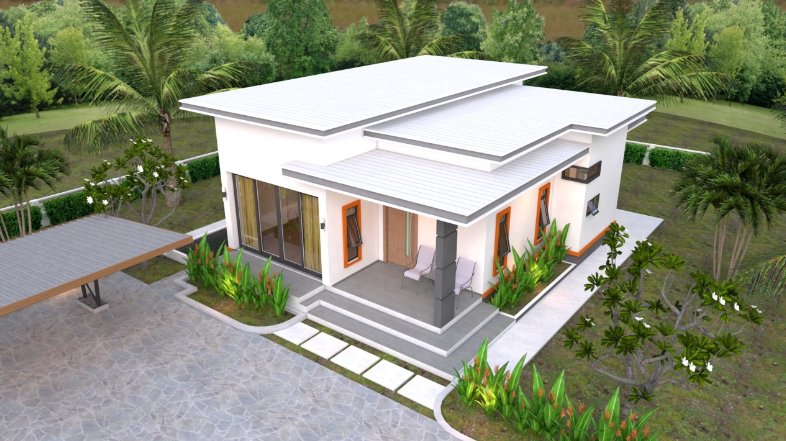
Looking to create a low budget flat roof design in Nigeria? You’re in the right place. Embracing simplicity and cost-effectiveness, this article explores innovative solutions for your roofing needs. By optimizing materials and design strategies, you can achieve a stylish and functional flat roof without breaking the bank. Let’s delve into the world of affordable and practical roofing solutions tailored to Nigeria’s unique climate and architectural landscape.

Exploring Low Budget Flat Roof Design in Nigeria
Let’s talk about a fundamental aspect of building design that often goes unnoticed but plays a crucial role in the overall structure – the roof. In Nigeria, where the weather can be unpredictable and challenging, having a well-designed roof is essential. However, not everyone has a huge budget to invest in extravagant roofing solutions. That’s where low budget flat roof design comes into play. In this blog post, we will delve into the world of low budget flat roof design in Nigeria, exploring practical and cost-effective solutions to create functional and aesthetically pleasing roofs for residential and commercial buildings.
The Importance of a Well-Designed Roof
Before we dive into the specifics of low budget flat roof design, let’s understand why having a well-designed roof is so crucial. In Nigeria, where heavy rainfalls and intense sunlight are common occurrences, a good roof serves as the first line of defense for any building. A well-designed roof not only protects the structure from water damage and leaks but also helps to regulate indoor temperatures, making the building more energy-efficient and comfortable for its inhabitants.
Challenges of Designing a Roof on a Budget
When it comes to designing a roof on a budget, there are several challenges that builders and homeowners in Nigeria face. Limited financial resources often restrict the choice of materials and construction techniques, making it challenging to strike a balance between cost-effectiveness and functionality. However, with careful planning and creative thinking, it is possible to overcome these challenges and create a low budget flat roof that meets both practical and aesthetic requirements.
Choosing the Right Materials
One of the key factors that influence the cost of a flat roof design is the choice of materials. In Nigeria, where locally available materials are abundant and affordable, opting for indigenous options can significantly reduce costs without compromising on quality. Materials such as clay tiles, corrugated metal sheets, and reinforced concrete are popular choices for low budget flat roofs due to their durability and cost-effectiveness.
Clay Tiles
Clay tiles are a traditional roofing material that has been used for centuries in Nigeria. They are durable, weather-resistant, and provide excellent insulation properties, making them an ideal choice for low budget flat roof design. Clay tiles are readily available in local markets and are relatively affordable compared to imported roofing materials.
Corrugated Metal Sheets
Corrugated metal sheets are another popular option for low budget flat roofs in Nigeria. They are lightweight, easy to install, and have a long lifespan, making them a cost-effective choice for both residential and commercial buildings. Corrugated metal sheets are also resistant to fire and wind, making them ideal for the Nigerian climate.
Reinforced Concrete
Reinforced concrete is a versatile and durable material that is commonly used in construction projects across Nigeria. It is strong, long-lasting, and can be molded into various shapes and sizes, making it suitable for flat roof designs of different styles and dimensions. While reinforced concrete may require a slightly higher initial investment compared to other materials, its longevity and low maintenance requirements make it a cost-effective choice in the long run.
Design Considerations for Low Budget Flat Roofs
When designing a low budget flat roof in Nigeria, several factors need to be taken into account to ensure functionality, durability, and cost-effectiveness. Here are some design considerations to keep in mind:
Roof Slope
The slope of a flat roof plays a critical role in preventing water pooling and ensuring proper drainage. In Nigeria, where heavy rainfalls are common, it is essential to design the roof with a slight slope to allow water to run off effectively. A minimum slope of 1:100 is recommended for flat roofs to prevent water stagnation and potential leaks.
Insulation
Proper insulation is key to maintaining comfortable indoor temperatures and reducing energy costs. In Nigeria, where heat gain is a significant concern, insulating the roof can help regulate indoor temperatures and improve overall energy efficiency. Materials such as expanded polystyrene (EPS) foam and reflective insulating membranes are cost-effective options for roof insulation in low budget designs.
Waterproofing
Waterproofing is essential to protect the roof from water damage and leaks, especially during the rainy season. In Nigeria, where intense rainfall can occur, investing in quality waterproofing materials and techniques is crucial for the longevity of the roof. Affordable waterproofing solutions such as bituminous membranes and liquid-applied coatings are effective in preventing water infiltration and ensuring a watertight roof.
Ventilation
Proper ventilation is essential to prevent moisture buildup and mold growth in the roof structure. In Nigeria, where humidity levels can be high, incorporating adequate ventilation openings and airflow channels in the roof design can help maintain a healthy indoor environment. Cost-effective ventilation options such as ridge vents, soffit vents, and gable vents can improve air circulation and prolong the lifespan of the roof.
Cost-Saving Techniques
In addition to choosing the right materials and considering design factors, there are several cost-saving techniques that can be implemented in low budget flat roof design in Nigeria. These techniques can help reduce construction costs without compromising on quality or durability. Here are some strategies to save costs on flat roof design:
Optimize Material Usage
Minimizing waste and optimizing material usage can help reduce construction costs significantly. By accurately calculating material quantities, ordering in bulk, and reusing leftover materials, builders can save money on flat roof projects. Additionally, choosing materials with standardized dimensions can help streamline the construction process and minimize cutting and shaping expenses.
DIY Installation
For those with basic construction skills, opting for a do-it-yourself (DIY) approach to roof installation can yield substantial cost savings. By taking on tasks such as roof framing, sheathing, and insulation installation, homeowners can reduce labor costs and contribute to the overall affordability of the project. However, it is essential to ensure safety measures are in place and to consult with professionals for more complex roofing tasks.
Maintain Regular Roof Inspections
Regular roof inspections and maintenance can help identify issues early on and prevent costly repairs in the future. By conducting routine checks for leaks, cracks, and water damage, homeowners can address minor issues promptly and avoid major structural problems down the line. Implementing a proactive maintenance plan for the roof can extend its lifespan and reduce long-term maintenance costs.
In conclusion, designing a low budget flat roof in Nigeria requires careful planning, creativity, and attention to detail. By choosing the right materials, considering design factors, and implementing cost-saving techniques, builders and homeowners can create functional and affordable roofs that withstand the challenges of the Nigerian climate. Whether you are constructing a new home or renovating an existing building, prioritizing cost-effective flat roof design can lead to long-term savings and a comfortable living environment. Embrace the possibilities of low budget flat roof design in Nigeria and create roofs that are not only economical but also resilient and visually appealing.
Best Flat roof designs, it's advantages and disadvantages in Nigeria
Frequently Asked Questions
What are some key considerations for low budget flat roof design in Nigeria?
When designing a low budget flat roof in Nigeria, it is essential to prioritize durability, cost-effectiveness, and local climate conditions. Use locally sourced materials to reduce expenses and ensure the roof can withstand heavy rainfall and strong winds common in the region.
How can I ensure proper insulation for a low budget flat roof in Nigeria?
To achieve adequate insulation while keeping costs low, consider using materials like polystyrene or polyurethane foam boards. These materials are lightweight, easy to install, and offer good thermal performance to regulate indoor temperature effectively.
What are some cost-effective roofing materials suitable for a flat roof design in Nigeria?
For a low budget flat roof design in Nigeria, consider using corrugated metal sheets, bituminous roofing felt, or asphalt shingles. These materials are affordable, readily available, and can provide good protection against the elements when installed properly.
Final Thoughts
In conclusion, designing a low budget flat roof in Nigeria requires careful planning and consideration of cost-effective materials and construction techniques. By prioritizing simplicity and durability, homeowners can achieve a functional and stylish roof design without breaking the bank. Collaboration with experienced architects and builders can help streamline the process and ensure optimal results for low budget flat roof design in Nigeria.



More Stories
Exploring Federal Fire Service Salary Insights
Exploring The Top 20 Best Hand Work In Nigeria
Essential Provisions Items For Every Household